
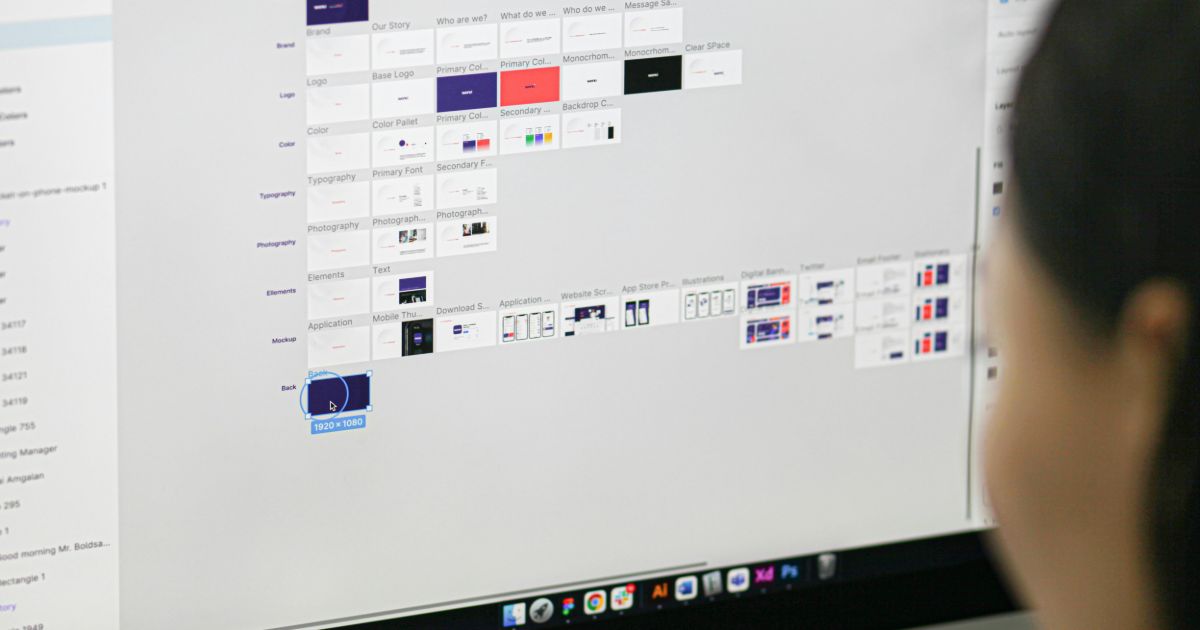
Photo by Alvaro Reyes on Unsplash
Design Systems 3.0: How AI and Automation Are Revolutionizing Component Libraries
Topics in this article:
Design systems have long been the backbone of scalable, consistent UX. But now, a new wave is sweeping through the industry—Design Systems 3.0, where AI and automation reshape how components are created, managed, and deployed.
This article dives into what Design Systems 3.0 means, how AI tools are revolutionizing design ops, and what teams can do to stay ahead in this evolving landscape.
What is Design Systems 3.0?
Design Systems 3.0 represents the next phase in design system maturity, characterized by:
- AI-driven code generation and maintenance
- Automated documentation and testing
- Smart version control and dependency management
- Integration of machine learning for accessibility and design consistency
It goes beyond static libraries, turning design systems into living, evolving entities.
How AI is transforming component libraries
AI tools can:
- Generate code snippets from design files
- Detect inconsistencies or accessibility issues automatically
- Suggest design improvements based on user data
- Auto-update components across multiple projects
- Analyze usage patterns to optimize system evolution
These capabilities reduce manual work, increase quality, and speed up delivery.
Automation in design ops workflows
Automation complements AI by:
- Enabling continuous integration and deployment (CI/CD) for design assets
- Automating cross-platform syncing of design tokens and components
- Streamlining collaboration workflows with notifications and version tracking
- Simplifying onboarding for new team members with automated guides and checklists
Together, AI and automation create a smoother, more reliable design ops pipeline.
Benefits of Design Systems 3.0
- Improved consistency and quality through automated checks
- Faster iteration cycles with AI-assisted generation
- Better accessibility compliance with automatic audits
- Reduced technical debt and maintenance overhead
- Enhanced designer-developer collaboration
Challenges and considerations
- Maintaining human oversight to avoid over-reliance on AI
- Training teams to effectively use new tools
- Integrating AI systems with existing tech stacks
- Addressing ethical concerns around AI-generated design decisions
- Balancing automation with creative flexibility
The future outlook for design systems and AI
As AI matures, expect:
- More personalized design recommendations
- AI-powered prototyping and testing
- Smarter cross-platform component adaptation
- Increased collaboration between AI and human designers
Design Systems 3.0 will become the norm for teams aiming to scale design without sacrificing quality.
Embrace the AI revolution in design systems
Design Systems 3.0 isn’t just about technology—it’s about transforming how teams collaborate, innovate, and deliver experiences. By adopting AI and automation thoughtfully, UX teams can build smarter, more resilient design systems that keep pace with the future of product design.



Get a love note
Get the latest UX insights, research, and industry news delivered to your inbox.


advertisement