
Photo by Brett Jordan on Unsplash
Durable Digital Experiences: Building Trust and Longevity
Topics in this article:
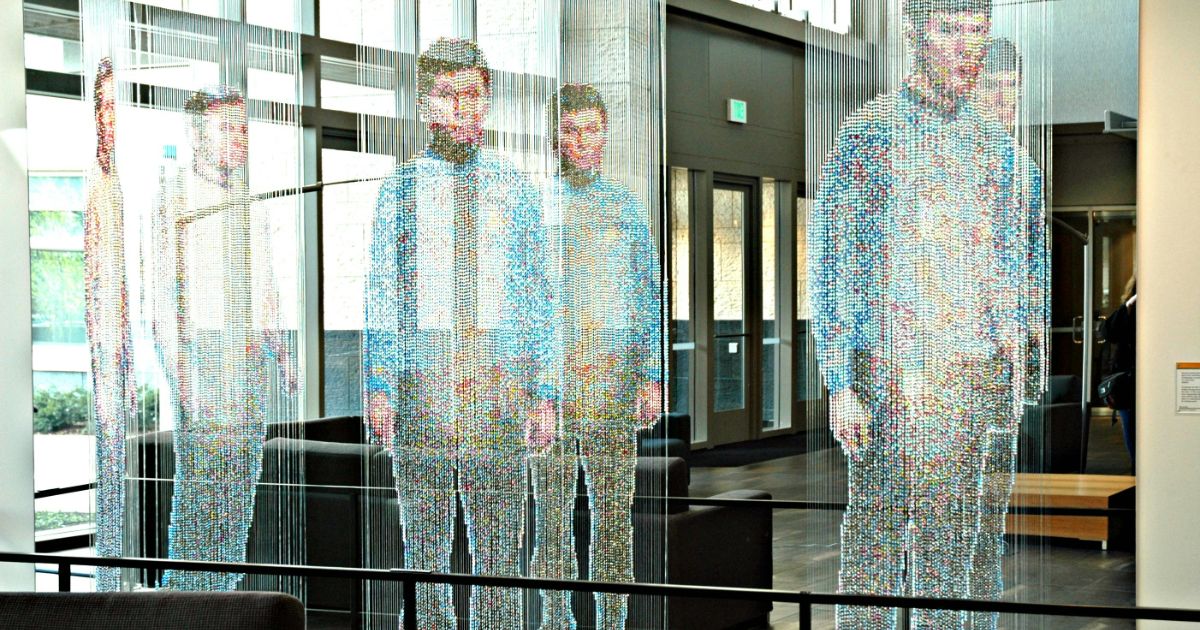
Imagine living in a home that’s always under construction—rooms changing, walls shifting, furniture rearranged unpredictably. How secure and comfortable would you feel?
Users experience something similar with digital products that constantly change without consistency or lasting value. The human mind craves permanence—stability, reliability, and predictability—to build trust and emotional connection.
In this article, we’ll dive into the psychology driving users’ desire for durable digital experiences and explore how UX design can meet this need by fostering emotional longevity and trust.
Why permanence matters: Psychological foundations
Several psychological principles explain why permanence is crucial:
- Cognitive fluency: Familiar, stable experiences reduce mental effort and enhance comprehension
- Attachment theory: Users form emotional bonds with digital products that feel reliable and persistent
- Loss aversion: Sudden changes or data loss trigger anxiety and resistance
- Consistency principle: Predictable interfaces build confidence and ease decision-making
The consequences of impermanence in UX
When digital experiences feel transient or unstable, users may:
- Experience frustration and confusion
- Lose trust and abandon the product
- Develop negative emotional associations
- Resist adopting updates or new features
Designing for durable digital experiences
- Maintain consistent UI patterns and interactions: Predictability in layout, navigation, and workflows helps users build mental models and feel secure.
- Preserve user data and history thoughtfully: Respect users’ past inputs, preferences, and work to honor their investment and avoid feelings of loss.
- Communicate changes transparently: When updates occur, clear explanations reduce anxiety and help users adapt smoothly.
- Build emotional resonance through storytelling and brand consistency: Create narratives and identities users can relate to and trust over time.
Balancing innovation and permanence
Durability doesn’t mean stagnation. Successful products innovate while respecting user expectations and continuity—offering new value without sacrificing trust.
Users don’t just want products that work—they want digital companions that last. By embracing the psychology of permanence, UX designers can craft experiences that foster loyalty, reduce anxiety, and build lasting emotional connections.
Designing for durable digital experiences is designing for the heart and mind alike.

Get a love note
Get the latest UX insights, research, and industry news delivered to your inbox.

advertisement