
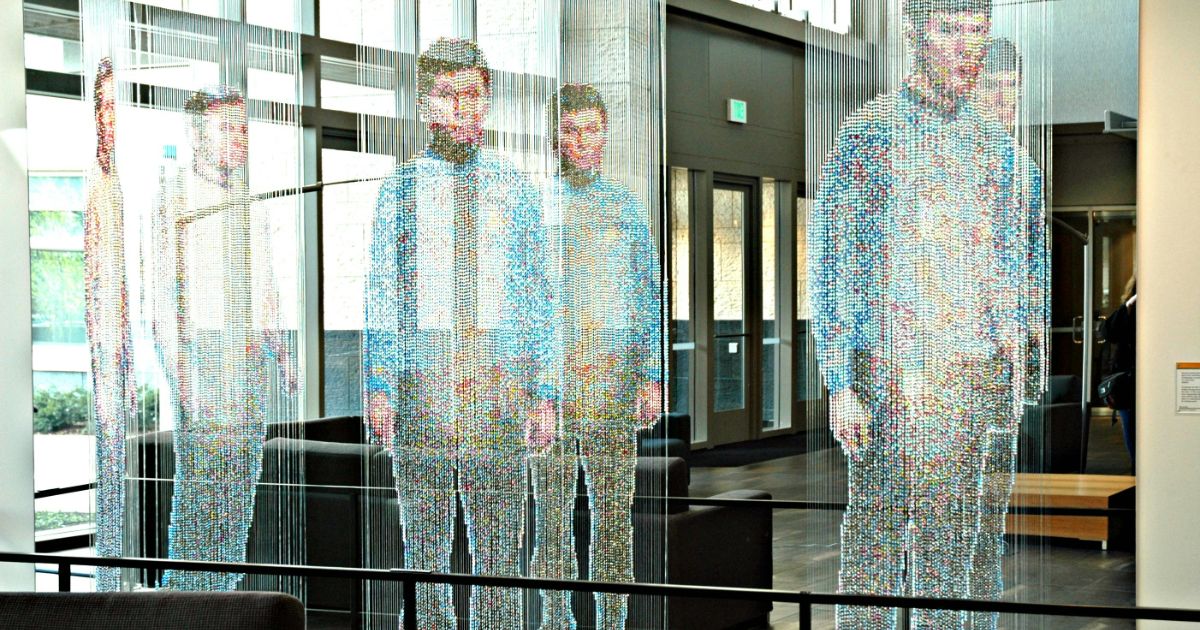
Photo by Ryoji Iwata on Unsplash
Imperfect personas: Why your users deserve more chaos
Topics in this article:
UX teams love neatness. We line up grids, name our layers, and pretend we can design for “the average user.” But that’s where the trouble starts. When we build for an idealized human—always rational, always focused—we end up designing for no one. Real people are unpredictable, contradictory, and gloriously inconsistent. That’s why the smartest design teams are embracing imperfect personas in UX: messy, emotional composites that reflect the chaos of real human behavior.
Why perfect personas fail
Alan Cooper invented personas in the late 1990s to help developers stop designing for themselves. But over time, corporate UX teams sanded them smooth—turning a sharp empathy tool into PowerPoint décor.
A “perfect persona” reads like a marketing fantasy. Everything aligns. Every trait fits the brand story. Which sounds nice—until you realize those personas can’t teach you anything new.
Research from the Nielsen Norman Group confirms that personas work only when they’re grounded in real behavioral contradictions. If your persona doesn’t make your team pause and ask, “Wait, why would they do that?”, you’re not designing for users—you’re designing for approval.
The psychology behind messy users
Our brains love stories, especially ones with tension. Neuroscience shows that when we encounter conflicting information, the anterior cingulate cortex lights up, nudging us to resolve it.
That’s why imperfect personas in UX work so well. They present friction: a student who relies on her phone for banking but doesn’t trust online payments; a retiree who loves technology but hates updates. Those little contradictions make your team think, feel, and problem-solve.
A persona without friction is forgettable. A persona with tension is magnetic.
How to make imperfect personas
You don’t need to start over—just un-sanitize your existing personas.
Ask questions that create complexity:
- What frustrates them irrationally?
- What secret workaround do they use daily?
- What goal do they pursue inconsistently?
- What belief makes them contradict themselves?
Include raw quotes, odd habits, and personal notes from real user interviews. When you show your personas to a team, the goal isn’t admiration—it’s debate. If someone says, “That doesn’t make sense,” you’ve succeeded.
Imperfect personas build inclusion
Perfect personas often erase the edges of real people—the users who don’t fit cleanly into categories. By embracing imperfect personas, you open the door to designing for those who’ve historically been excluded: users with disabilities, neurodiverse thinkers, older adults, or anyone using your product in less-than-ideal conditions.
Accessibility begins here. Before colors, code, or captions—it starts with curiosity about difference.
Keep your personas alive
Personas should evolve as your understanding grows. Update them as you gather new data, and document inconsistencies instead of erasing them. Treat them like living hypotheses, not carved commandments.
Messy doesn’t mean careless; it means responsive. The more your personas reflect the flux of real human behavior, the stronger your empathy becomes.
The viral truth
UX isn’t about perfection—it’s about connection. People change, contradict themselves, and surprise you daily. That’s the joy of design.
So stop chasing perfect users. Celebrate the chaos. Build your next project around imperfect personas—because real empathy lives in the mess.


Get a love note
Get the latest UX insights, research, and industry news delivered to your inbox.



advertisement